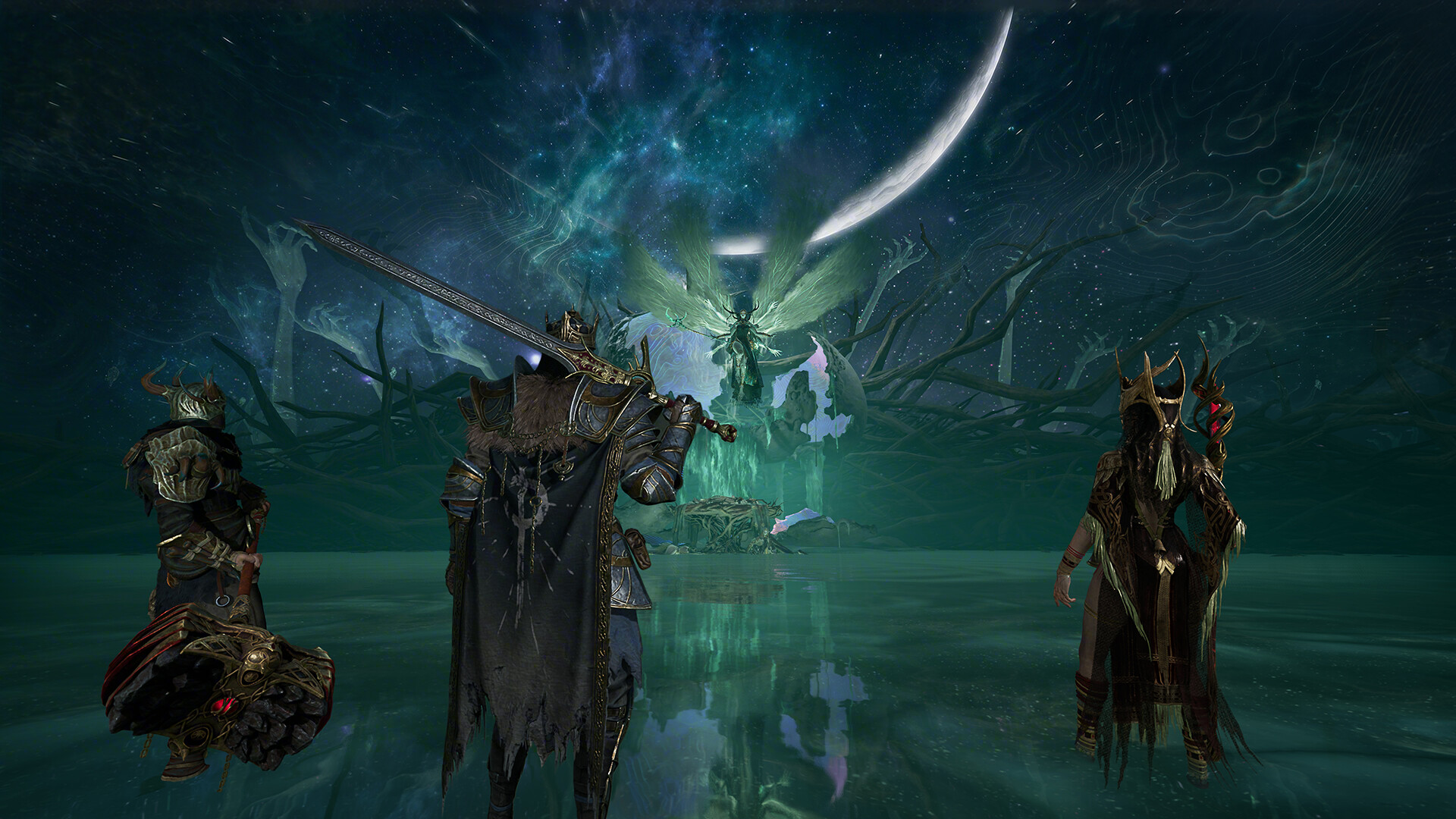
Evidence boundary: class strength, skills, solo safety, and team roles require repeated solo runs, verified skill details, and comparable team tests.
How to pick while tier evidence develops
Early tier lists are fragile. Use a role question instead:
- Do you need solo safety or team value?
- Do you win fights by spacing, burst, control, or sustain?
- Do you prefer clean extraction planning or high-risk loot fights?
Class decision table
| Player need | Class style to watch | Why it matters in extraction | Evidence note |
|---|---|---|---|
| Safest first solo runs | Durable melee or self-sustain role | Survives imperfect routes and messy fights. | Confirm actual sustain and escape tools in repeated live runs. |
| Learning maps from range | Ranged pressure or poke role | Lets you gather information before committing. | Check ammo/resource economy before recommending. |
| Team utility | Control, reveal, shield, or healing role | Raises extraction odds even without top damage. | Team meta will depend on matchmaking and boss routes. |
| High-risk loot fights | Burst or engage role | Wins contested loot windows but may be punished by bad exits. | Do not call this best without comparable PvP evidence. |
| Beginner clarity | Simple rotation, clear escape, obvious gear goals | Reduces decision load in early runs. | Best first class may differ from best endgame class. |
Best solo class framework
The best solo class is usually not the highest DPS class. It is the class that can recover from bad positioning, disengage, and still extract with partial loot. Track these traits:
- Reliable defensive cooldown.
- Simple damage pattern under pressure.
- Escape or control tool.
- Low dependence on rare early gear.
Best team class framework
In teams, class value shifts toward information, setup, and rescue. If one teammate handles engage, another can focus on control or survival. Avoid three players all choosing the same fragile damage role in early runs.
Update rule: add class names, skill notes, and beginner recommendations only when cited live-game evidence supports them.